|
|
WGGG-AM
1230
Gainesville
|
Original Call Letters: WGGG |
|
Originally Licensed: Feb 5, 1946 |
|
Original City of License: Gainesville |
|
Original Frequency: 1230 |
|
Origin of Call Letters: Slogan; Watch Gainesville Grow Greater |
|
Original Power: 250 watts |
|
Original Location: 1230 Waldo Road |
|
Original Format: Big Bands/MOR/CBS Programming |
| Translator: W221DX-FM 92.1, Gainesville |
Network Affiliation(s): |
CBS |
| Associated Press | |
| Keystone | |
| ABC | |
| Mutual Broadcasting System | |
| United Press International | |
| ESPN Radio | |
| NBC Sports |
Owner(s): |
1946-Alachua County Broadcasting Company |
| 1958-Radio Gainesville, Inc. (T.K. "Tom" Cassel (Thompson Kenneth Cassell Sr.) | |
| 1962-Radio Gainesville, Inc. (Holiday Isle Broadcasting) | |
| 1966-University Broadcasting Co. | |
| 1971-Gator Radio, Inc. | |
| 1972-Quality Broadcasting, Inc. (co-owned with WDBF-AM 1420 Delray Beach, WNDB-AM 1150 and WDNJ-FM 94.5) | |
| 1977-Miller Broadcasting, Inc. (co-owned with WMMB-AM 1240 and WYRL-FM 102.3 Melbourne) ($1.2 million) | |
| 1981-U. S. Broadcasting Corporation | |
| 1984-American Communications and Television, Inc. (co-owned with WGLV-FM 97.7, WGFL-TV 53, WTMG-FM 95.9 | |
| 1986-Gator Broadcasting, Inc. ($500,000) | |
| 1986-Southern Star Broadcasting Group (With -FM 97.7) ($1.45 million) | |
| 1993-Bloch Broadcasting Co. | |
| 1995-WGGG, LC | |
| 1997-Florida Sportstalk, Inc. ($350,000) | |
| 2013-Florida Sportstalk, LLC. | |
| 2020-Hitmaker Music Group. LLC ($260.000) | |
| 2022-Urban One Broadcasting Network ( $225,000) |
|
History Of Call Letters and Formats: |
WGGG-1948-Big Bands/MOR/CBS Programming “Watching Greater Gainesville Grow” |
| WGGG-1958-Big Bands/MOR/Show Tunes/CBS Network Dramas | |
| WGGG-1968-Top 40 “Rock 1230” “G 1230” “The Super G” “ Super GGG” | |
| WGGG-1968-Contemporary Top 40 | |
| WGGG-1972-Top 40/Black | |
| WGGG-1977-Top 40 | |
| WGGG-1981-Adult Contemporary “Gainesville’s Great Radio Station, WGGG” | |
| WGGG-1985-Oldies “Oldies 1230 WGGG” | |
| WGGG-1986-Talk “Talk Radio 1230” | |
| WGGG-1994-Classical “Culture Radio 1230, WGGG” | |
| WGGG-1995-Off The Air | |
| WGGG-1997-Sports Talk “Sportstalk 1230” | |
| WGGG-1999-Sports Talk “ESPN 1230 WGGG” | |
| WGGG-2013-Sports Talk "NBC Sports Radio" "The Goat" (Gainesville Ocala All Talk) | |
| WGGG-2020-Hip Hop/R&B/Blues/Throwbacks "Power 92.1" (referring to translator at 92.1FM) | |
| WRBD-2023-Hip Hop/R&B/Blues/Throwbacks "Power 92.1" (referring to translator at 92.1FM) |
|
|
|
More history from David Reaves Eventually the City of Gainesville sold WGGG to Quality Broadcasting, Inc., owned by Delray Beach resident Victor M. Knight. Knight owned WDBF-AM 1420 Delray Beach, and WNDB-AM 1150 and WDNJ-FM 94.5 Daytona Beach, Florida. The format remained mostly big bands, adult standards, MOR and news programming, but the CBS Radio network was dropped, leaving WGGG as an independent radio station. Beautiful Music and Classical formatted WRUF-FM 103.7 soon became the area’s CBS affiliate, leaving WGGG without a national network. A power increase was applied for and granted, allowing WGGG to increase its power to 1,000 watts non directional day but remained 250 watts at night. Soon after buying WGGG, Knight began to realize WGGG was experiencing a decline in market share. Additionally, the ever increasing and growing popularity of progressive rocker WGVL-FM 105.5, caused management to seriously consider a new format and marketing strategy for WGGG. In 1968 the MOR and big band tunes were replaced with top 40. The station became known as “Rock 1230”, “G 1230”, “Super G” and “Super GGG”. The strategy was an overnight, but short lived, success. So plans were underway once again to reformat WGGG into a profitable radio station. Because of the growing popularity and market acceptance of Top 40 formatted “Music Radio Eighty-Five, WRUF”, management determined Top 40 would be the best alternative. Former WUWU-AM 1390 “The WOO WOO” morning man S. W. “Boomer” Hough was hired to become WMGG's new morning host and program director. Under Boomer’s programming style, WGGG quickly became the number one radio station in Gainesville, maintaining that position for many years. Seeing an opportunity to get the best return on investment now that WGGG went from “worst to first”, Knight sold WGGG to Chicago radio talk host Howard A. Miller for $1.2 Million in 1978. In MY recollection, the best times WGGG ever had were, by a LONG shot, those that are completely missing or glossed over by Mr. Tyll's account! The rest of the history (before and after these paragraphs) seems correct enough to me, though admittedly I had much less contact with WGGG after I left Gainesville in 1979. The following details are from memory, and to the best of my knowledge. I am certainly open to thoughtful correction, :-) and I would be honored to have some or all of this information fact-checked and incorporated into your website. |
|
From Albert Nelson "...the station was held together and managed by Dolph Chamberlin. Every day was a struggle with some of the equipment which appeared to be from WW2 or the Korean war. I am surprised that nothing has been written about Dolph in the history records. At that time we introduced a mobile unit and on weekends we broadcast from a drive in restaurant, sorority houses and anywhere else where people would have us. Also tried for a while having a remote broadcast from Wolfie's restaurant in downtown Gainesville. |
|
From Ron Hayes In 1966, WGGG was purchased by University Broadcasting Co. The company’s president, Robert (Bob) Brown, had big ideas about promoting the station, capitalizing on the musical tastes of the youthful student population of the |
|
From Kyle Magrill "My understanding is that the WGGG tower was not bought new in '48. I was told that Gainesville bought the two towers that had supported the original WRUF wire dipole antenna from SW Radio Road on the UF campus, when that was decommissioned. One of the towers went to G(ainesville) P(olice) D(epartment) at the NW 6th Street location where it served for another 40+ years until replaced in the 1990's due to a desire to add cellular antennas at the location. The other tower was put at the 1230 Waldo Road address where its remains still sit today, painted orange and blue. I have letter here somewhere from WGGG where the slogan is "Watching Greater Gainesville Grow". The slogan may have changed over the years. At age 19, I worked at WGGG in 1980 as the overnight jock and chief engineer. While working there, I was really bothered by the fact that the windows in the studios were cloudy with about 40 years worth of dust trapped between them. The windows between air and production and air and the lobby were double panes and the windows between the air studio and newsroom (formerly the orchestra pit for live broadcasts in the '40s/'50s) were triple panes about 12' long and 3' high. I took it upon myself to remove each window and clean the insides. I then waxed each window using car wax so that dust wouldn't stick. Station manager Tom Calato was amazed that I'd gotten the windows out by myself and put them back, all very clean. During the overnights, we also rewired the studios and rebuilt the, non-functional, Collins 20V-2 standby transmitter into a working spare. It would produce an honest 1kW at 120% modulation, but the tubes would only last about 4 months of fulltime service. You could get about a year out of them at 100% modulation instead of 120%. They lasted forever in standby service. One night, while I was working, news director Don Reid came into the studio with a serious look on his face. He said that John Lennon had just been shot and was still alive, but was going to die. I asked how he could be sure Lennon wouldn't survive and Reid replied that his long experience was that nobody survived that kind of wound. Sure enough, within the hour, Lennon was pronounced dead. At that time, WGGG was still the number 1 station in town and made tons of money. Miller's other stations were not doing so well. In addition to the struggling Melbourne cluster, Miller owned WRRR in Rockford, Illinois. Rumor had it that WGGG was the only station to make money and was supporting the entire group. As a result, Miller cut every corner. One afternoon, Tom Calato called me into his office and told me that I had been doing a great job, but I was being laid off because Miller saw no value in being on the air from Midnight to 6am since no spots were sold during that period and there were no ratings either. I pointed out that Gainesville is a college town with a very active night life until at least 2:30am. If the station was off the air when people went to bed, they would wake up with another station. Calato agreed and said he'd argued with Miller that it was a very poor move for the station, but Miller disagreed and I was given one week's severance pay ($150) and sent packing. I returned to WGGG for about 6 months in 1982 as the midday announcer/chief engineer. WYKS was already cleaning WGGG's clock and the handwriting was on the wall. It was very depressing to work there because we all knew WYKS was going to destroy WGGG, no matter what we did. Even in the face of competition from WYKS, Miller would not keep the station on 24 hours. That ratings book, WGGG dropped to a 2.5. WGGG got sold & most of us lost our jobs. Sometime in the mid 1980s or early '90s, the WGGG studios on Waldo Road were abandoned. About a year later, we heard that the studios had been badly damaged by vandals. Sure enough, someone had taken a baseball bat or crowbar and smashed all of the studio windows that had been so carefully rebuilt just 10 years before. The Collins 20V-2 transmitter's glass front and 4-400 tubes received the same treatment. I heard the Collins was sold for scrap value. |
|
Remembering WGGG Timothy Brown As a 16-year-old I opened the gates to the graveyard at The G about 82-83. I did some evenings sit-ins, ran the board for the Braves broadcast, engineered the local talk show, and DJ’ed some weekends. Boomer was (still) around. Joe Lavero “McKay” was P.D., Chip S was there, along with “Tom Kaine,” Terri Smith as Leslie Marlowe (Terri last seen on The Weather Channel), David Hand, Gill (?), Andrew,(?), a Brit whose name I can’t remember — they were on the board after programming went to TransStar. I recall Tom Colato. Was the GM at the time. I still recall when he came to the studio and told us about the switch over to the satellite service. He said “Don’t cut off your nose despite your face. I recall Boomer and us saying “don’t forget to get your Gold Card", and the talking ad for Missle Motors. I also remember how the station was sometimes a little Wu-Wu. Years later I was rehired when the stations operation had moved to the Tench Building. Except for Boomer’s morning drive show it was still on the satellite. I got to be good pals with Todd Lebaron who, I recall, had afternoon board shifts. Lebaron was from Vermont. Later in he 80s we drove to Burlington and met up with Joe who was spinning oldie 45s on a station which was, if I remember right, was in a rather large building - something like a bank, but I don’t remember the station’s call. I had an IT job driving around a lot. When I got near 1230 I kept looking over to the wreck of a building. So one day in 2014 I stopped to take a look. I happened to have my camera with me that day. I was able to get some photographs of the inside of the building. Some pictures are similar to the ones already posted on your web site; however, I didn’t see the control room among those posted pictures. I have some images of the studio and some more shots around the rooms, the post KTK mess, and the tower lot. |
|
The Goat FM Comes To Gainesville/Ocala 11-11-17 Florida SportsTalk, LLC is rebranding WMOP-AM 900, Ocala; WGGG-AM 1230, Gainesville; translator W221DX at 92.1 FM; and WGOT-LP, Gainesville to "Gainesville Ocala All Talk" (The GOAT FM) so that “our branding more accurately reflects our voice, impact, and prominence in the communities we serve.” Your favorite personalities will remain, with one addition; Chip Morris has joined the team and you will begin to hear Chip’s voice on the air and as a representative in the community. |
|
The Press Release From Florida Sports Talk "Florida SportsTalk, in response to its’ growing voice in the region pertaining to news and social events and based on the feedback from followers and the fan base announces it is rebranding to Gainesville Ocala All Talk (The GOAT FM) so that “our branding more accurately reflects our voice, impact, and prominence in the communities we serve.” Your favorite personalities will remain, with one addition; Chip Morris has joined the team and you will begin to hear Chip’s voice on the air and as a representative in the community. From Operations Manager, Don DePew, Jr., “We were thrilled to see our voice and impact grow as we provided a voice of calm and grace through recent social issues that crossed from sports to every day life. Our adjustment in brand to this new reality is a step forward in this regard. We are further excited to have Chip Morris bring his experience and influence in our region to our team. We look forward to the days ahead as we bring Gainesville Ocala All Talk to you, our listeners”. Chip Morris adds, “In case you haven’t noticed, sports in our culture is ubiquitous and redundant. In an era where everyone seems to have a difference of opinion on what the 1st Amendment to our Constitution actually means, it seems like a good time to offer more free speech……We intend to build our brand of being your community radio network.” DePew further states that there will be a significant extension of live social media engagements and the construction of a new video studio in progress. |
|
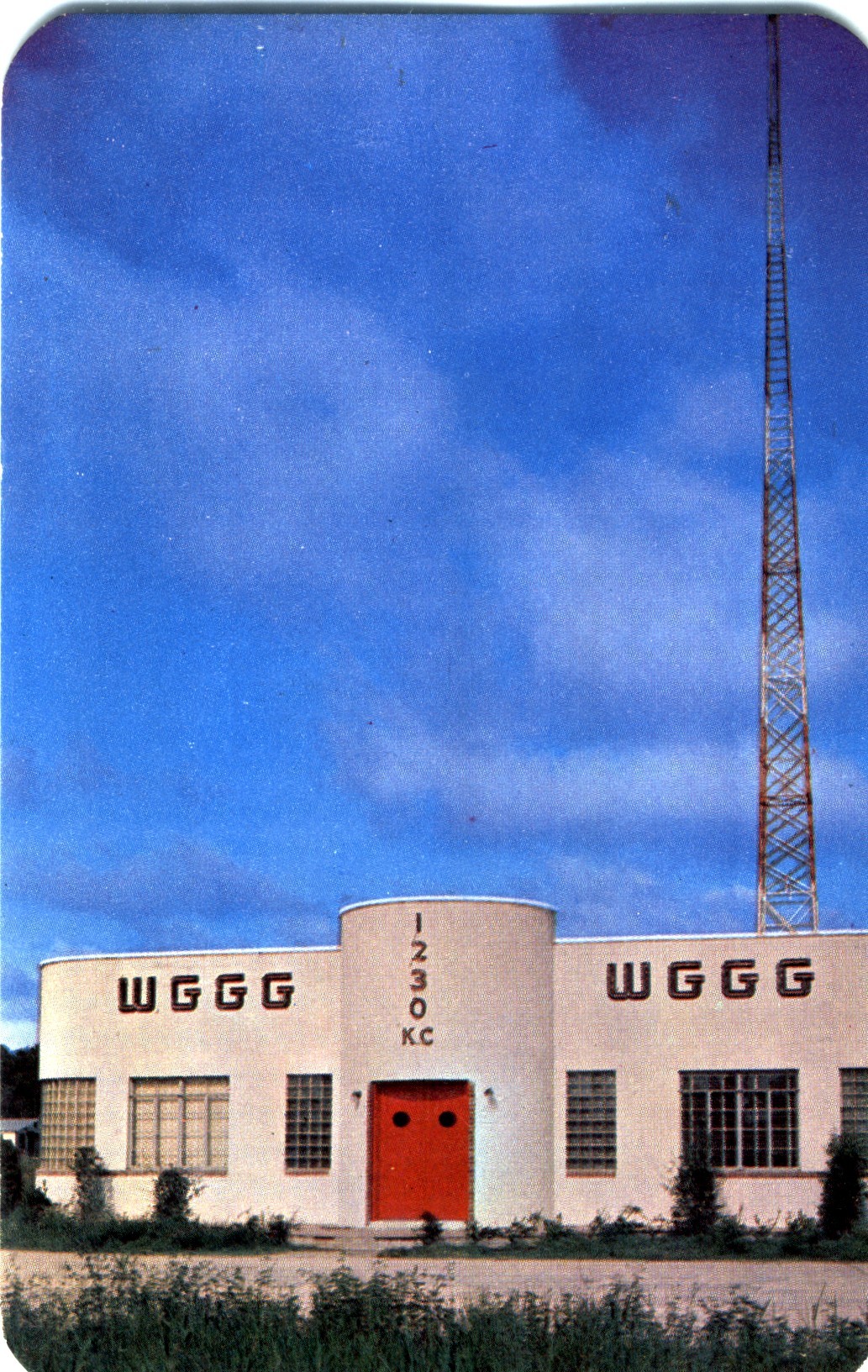
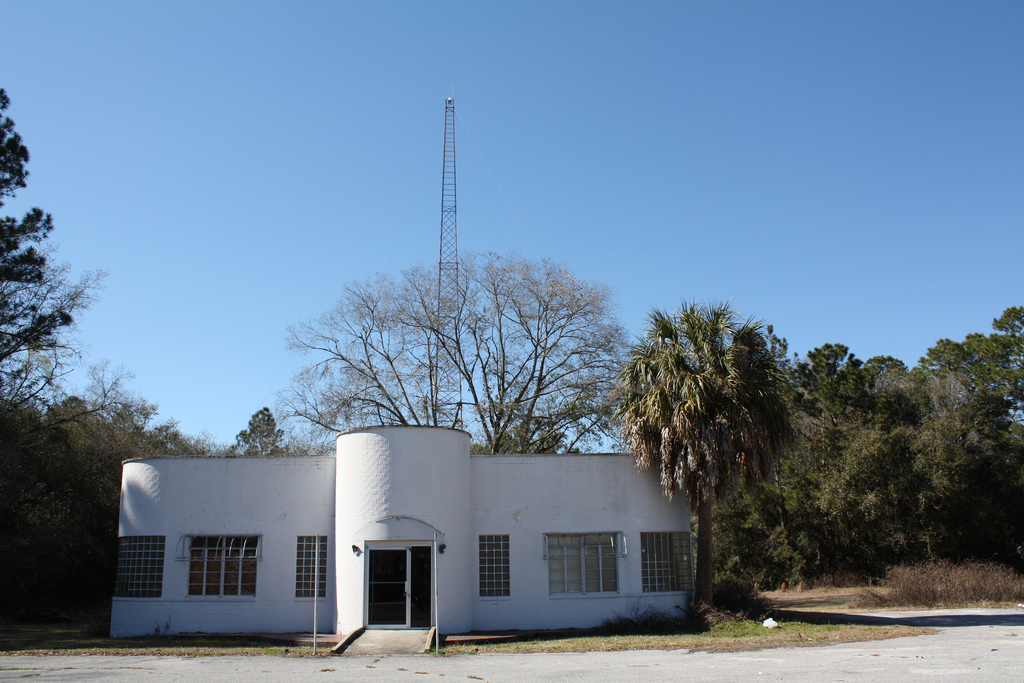
Signing Off Former home of radio icon faces demolition Gainesville Sun March 22, 2018 Rebecca Santana Correspondent The former home of WGGG, once Gainesville’s most popular radio station, is set to be demolished — a loss to streetscapes of the city, according to a local historian. Historic preservation consultant Melanie Barr says the station, now an NBC sports radio station located in northwest Gainesville, reached thousands of local listeners in its prime. At that time, it operated from the art moderne building on Waldo Road, across the street from Tacachale, that is now abandoned." All the teenagers and college kids listened to it, and they were very fond of the DJs. It really had a big impact on people’s lives because you listened to it constantly,” Barr said. During the height of its popularity, the station was known for its Top 40 music and radio contests. Barr said that these contests excited people and activated the community. Locals would look for the “missing link” or participate in call-in contests in hopes of winning fun prizes. “It animated so many people,” Barr said. Dialysis Clinic Inc., which bought the property in June 2017, is holding an obligatory meeting on Thursday to go over the plans for demolition as it plans to build a new facility on the site. The non-profit corporation based in Nashville has an existing facility in Gainesville on NW 39th Street near I-75. "That site means a lot to the people who live around there," said Paul Passman, corporate projects manager for Diaysis Clinic, speaking of the Waldo Road building. However, he said, the old radio station building won't work as a medical facility. He said the company will have its architect at the meeting Thursday. He said they remain open to ways to memorialize the old building, perhaps by incorporating design elements or artifacts, or having photos in the new lobby. Historic preservation consultant Melanie Barr says the station, now an NBC sports radio station located in northwest Gainesville, reached thousands of local listeners in its prime. At that time, it operated from the art moderne building on Waldo Road, across the street from Tacachale, that is now abandoned. “All the teenagers and college kids listened to it, and they were very fond of the DJs. It really had a big impact on people’s lives because you listened to it constantly,” Barr said. During the height of its popularity, the station was known for its Top 40 music and radio contests. Barr said that these contests excited people and activated the community. Locals would look for the “missing link” or participate in call-in contests in hopes of winning fun prizes. “It animated so many people,” Barr said. Dialysis Clinic Inc., which bought the property in June 2017, is holding an obligatory meeting on Thursday to go over the plans for demolition as it plans to build a new facility on the site. The non-profit corporation based in Nashville has an existing facility in Gainesville on NW 39th Street near I-75. "That site means a lot to the people who live around there," said Paul Passman, corporate projects manager for Dialysis Clinic, speaking of the Waldo Road building. However, he said, the old radio station building won't work as a medical facility. He said the company will have its architect at the meeting Thursday. He said they remain open to ways to memorialize the old building, perhaps by incorporating design elements or artifacts, or having photos in the new lobby. Though it’s not on the National Register of Historic Places, Barr believes the building is a part of Gainesville’s history that should be preserved. Barr said she hopes to be able to work with Dialysis Clinic to save the structure’s facade. Being one of Gainesville’s last art moderne-style buildings, it is reminiscent of the architecture of the 30s and 40s. “It’s a link to our history,” Barr said. A meeting with the clinic’s owners is set for Thursday at the Martin Luther King Center at 6 p.m. WGGG was first licensed in 1946 by Alachua County Broadcasting Co., but has changed hands 15 times over the years. The original call letters carried the slogan "Watch Greater Gainesville Grow," according to a detailed history of the station by Central Florida Radio at cflradio.net. |
|
SOLD: WMOP and WGGG 8-31-20 WMOP-AM 900 and WGGG-AM 1230/92.1 FM have been sold by Florida Sportstalk, LLC to Hitmaker Music Group. LLC. The deal includes a time brokerage agreement prior to closing. The sale price is $260.000. |
|
The GOAT Is Gone
3-28-21 According to their website, WGGG-AM 1230/WMOP-AM 900/FM 92.1 "Florida SportsTalk and The GOAT FM are closed." The new format has yet to be announced by the new owners, Hitmaker Music Group. LLC. |
|
WGGG Returns With New Owners and Format 9-15-22 Hitmaker Music Group has sold WMOP-AM 900 and WGGG-AM 1230/92.1 FM to Urban One Broadcasting Network for $225,000. We reported back in 2020, Florida Sportstalk, LLC sold the stations to Hitmaker Music Group. LLC. Inside Radio reported the sale was reversed based on allegations that Hitmaker engaged in racial discrimination. The format is Hip Hop/R&B/Blues/Throwbacks. WMOP is still silent. |
|
Names In WGGG History |
| R. M. Chamberlin-1946-President/General Manager-Alachua County Broadcasting Company, Inc. |
| Bob Henderson1946-Vice President-Alachua County Broadcasting Company, Inc. |
| Leon Mims-1946-Commercial Manager/1950-Promotions Manager-Alachua County Broadcasting Company Inc./1958-Commercial Manager-Radio Gainesville, Inc./1959-Station Manager/Commercial Manager-Radio Gainesville, Inc. |
| Gordon Hemby-1946-Assistant Manager/Commercial Manager-Alachua County Broadcasting Company, Inc. |
| Guy Hamilton-1946-Program Director-Alachua County Broadcasting Company, Inc. |
| Clinton Willis-1946-Chief Engineer-Alachua County Broadcasting Company, Inc. |
| J. C. Adkins Jr.-1946-Secretary-Alachua County Broadcasting Company, Inc. |
| Gus Cox-1946-Stockholder-Alachua County Broadcasting Company, Inc. |
| Tom Roland-1946-Stockholder-Alachua County Broadcasting Company, Inc. |
| Clyde Chamberlin-1946-Stockholder-Alachua County Broadcasting Company, Inc. |
| DeWitt Hague-1946-Stockholder-Alachua County Broadcasting Company, Inc. |
| Clinton E. Wills1946-Chief Engineer-Alachua County Broadcasting Company, Inc. |
| Mrs. Pat Hutson-1946-Publicity Director-Alachua County Broadcasting Company, Inc. |
| Preston Daniel-1946-Continuity Director-Alachua County Broadcasting Company, Inc. |
| Mrs. Billy Winchester-1946-Woman's Director-Alachua County Broadcasting Company, Inc. |
| Norma Flynn-1946-Commercial Director-Alachua County Broadcasting Company, Inc. |
| Mrs. Marian Brooker-1946-Traffic Manager-Alachua County Broadcasting Company, Inc. |
| Pierre Bejano-1949-Program Director/1956-Promotions Manager/Program Director/News Director/Sports Director-Alachua County Broadcasting Company, Inc. |
| Lee Shannon-1948-Program Manager/Women's Director--Alachua County Broadcasting Company, Inc |
| Jim Fisher-1948-1953-News Director--Alachua County Broadcasting Company, Inc. |
| Stan Reich-1948-1954-Sports Director-Alachua County Broadcasting Company, Inc. |
| Scott Sutton-1950-Program Director/1953-News Director-Alachua County Broadcasting Company, Inc. |
| Sally Drew-1951-1953-Program Director/Women's Director-Alachua County Broadcasting Company, Inc. |
| W. F. Ferguson-1951-1953-1954-News Director-Alachua County Broadcasting Company, Inc. |
| Dave Blount-1951-Promotions Manager/Sports Director-Alachua County Broadcasting Company, Inc. |
| Thelma Roberts-1953-1954-Women's Director-Alachua County Broadcasting Company, Inc. |
| Morrow Krum-1954-News Director-Alachua County Broadcasting Company, Inc. |
| Jack Herring-1954-Farm Director-Alachua County Broadcasting Company, Inc. |
| Herman Shonbrun-1954-1955-Sports Director/1955-News Director/Farm Director-Alachua Broadcasting Company, Inc. |
| Edith Cameron-1954-1955-Women's Director-Alachua County Broadcasting Company, Inc. |
| Albert Nelson-1955-Sports Director-Alachua County Broadcasting Company, Inc. |
| Jane Mansfiled-1955-Women's Director-Alachua County Broadcasting Company, Inc. |
| Dan Lunin-1956-Chief Engineer-Alachua County Broadcasting Company, Inc. |
| Eloise Cozens-1956-Women's Director-Alachua County Broadcasting Company, Inc. |
| Vera Beecher--Alachua County Broadcasting Company |
| Erselle Smith-Alachua Broadcasting Company |
T.K. "Tom" Cassel (Thompson Kenneth Cassell Sr.)-1958-Owner/General Manager-Radio Gainesville, Inc. In Memory |
| Jimmie Bryan-1958-Program Director-Radio Gainesville, Inc. (T. K. Cassell) |
| Bill Mansfield-1958-Promotion Manager/Program Director-Radio Gainesville, Inc. (T. K. Cassell) |
| Lotis Adams-1958-Chief Engineer-Radio Gainesville, Inc. (T. K. Cassell) |
| Windsor Brown-1958-News Director-Radio Gainesville, Inc. (T. K. Cassell) |
| Carl Swanson-1959-General Manager-Radio Gainesville, Inc. (T. K. Cassell) |
| Peggy Wiesner1959-Promotion Director-Radio Gainesville, Inc. (T. K. Cassell) |
| Wynn Brown-1959-News Director-Radio Gainesville, Inc. (T. K. Cassell) |
| Clifford Waldon-1959-Farm Director-Radio Gainesville, Inc. (T. K. Cassell) |
| Edna Lambreth-1959-Women's Director-Radio Gainesville, Inc. (T. K. Cassell) |
| Leon E. Mims-1963-General Manager-Radio Gainesville, Inc. (T. K. Cassell) |
| William Mansfield-1963-Program Director-Radio Gainesville, Inc. (T. K. Cassell) |
| Charles Mackey-1964-President-Radio Gainesville, Inc. (Holiday Isle Broadcasting) |
| William Minshall-1964-Vice President/General Manager-Radio Gainesville, Inc. (Holiday Isle Broadcasting) |
| Jim Finch-1964-News Director-Radio Gainesville, Inc. (Holiday Isle Broadcasting) |
| Gene Bardo-1964-Chief Engineer-Radio Gainesville, Inc. (Holiday Isle Broadcasting) |
| Pierre Bejane-1965-General Manager-Radio Gainesville, Inc. (Holiday Isle Broadcasting) |
| Tom Dilley-1965-Chief Engineer-Radio Gainesville, Inc. (Holiday Isle Broadcasting) |
| Richard Pahalek-1966-Commercial Manager-Radio Gainesville, Inc. (Holiday Isle Broadcasting) |
| Tom Kirby-1966-Promotions Manager-Radio Gainesville, Inc. (Holiday Isle Broadcasting)/1966-Station Manager-University Broadcasting Co. |
| Robert Brown-1966-President-University Broadcasting Co./1971-President/Station Manager-University Broadcasting Co. |
| Mal Harrison-1966-Program Director-University Broadcasting Co. |
| Jack Shaw-1966-Music Director-University Broadcasting Co. |
| Don Reid-1966-News Director-University Broadcasting Co./1971-News Director-Gator Radio, Inc./1974-News Director/1977-Operations Manager-Quality Broadcasting Corp. |
| Elliott Harris-1966-General Manager-University Broadcasting Co. |
| Steve “Boom-Boom” Cannon-1966-University Broadcasting Co. |
| Steve Gustafson-1966-University Broadcasting Co. |
 Mark Windsor-1966-University Broadcasting Co. Biography |
| George Adkins-1967-University Broadcasting Co. |
| Elliott Harris, Jr.-1971-General Sales Manager/1973-General Commercial Manager/Promotions Manager-Gator Radio, Inc. |
| David Berges-1971-Production Director-Gator Radio, Inc. |
| Richard Rieke-1971-Operations Manager-Gator Radio, Inc. |
|
|
| Pete Winters (Peter Sautter)-1973-Program Director-Gator Radio, Inc./1974-Program Director-Quality Broadcasting Corp. |
| “Diamond Jim” Sibrey-Quality Broadcasting Corp. |
| Lloyd Hart-1973-Music Director-Gator Radio, Inc. |
| Don Steele-1973-Chief Engineer-Gator Radio, Inc./1974-Chief Engineer-Quality Broadcasting Corp. |
| Elsie Mercer-1973-Vice President/General Manager-Quality Broadcasting Corp./1977-Commercial Manager-Miller Broadcasting, Inc. |
| Ron Hayes-1974-Program/Music Director/-Quality Broadcasting Corp. |
| Craig O'Brien (Craig Butler)-1975-1978-Music Director/Chief Engineer-Quality Broadcasting, Inc. |
| Richard Rieke-1971-Operations Manager-Gator Radio, Inc. |
| Elliot Harris-1972-General Manager-Gator Radio |
| Pete Winters (Peter Sautter)-1973-Program Director-Gator Radio, Inc./1974-Program Director-Quality Broadcasting Corp. |
| “Diamond Jim” Sibrey-1973-Quality Broadcasting Corp. |
| Lloyd Hart-1973-Music Director-Gator Radio, Inc. |
| Don Steele-1973-Chief Engineer-Gator Radio, Inc./1974-Chief Engineer-Quality Broadcasting Corp. |
| Elsie Mercer-1974-General Manager-Quality Broadcasting Corp./1977-Commercial Manager-Miller Broadcasting, Inc. |
| Ron Hayes-1974-Program/Music Director/-Quality Broadcasting Corp. |
| John Calvin Gay-1977-Program Director-Quality Broadcasting, Inc. |
| Craig O'Brien (Craig Butler)-1975-1978-Music Director/Chief Engineer-Quality Broadcasting, Inc. |
 Howard Miller-1977-President-Miller Broadcasting, Inc. |
 Tom Calato-1977-Operations Manager/Promotion Manager-Miller Broadcasting, Inc. |
| J. D. Chapman-1977-Music Director-Miller Broadcasting, Inc. |
| Don Hiers-1977-News Director-Miller Broadcasting, Inc. |
|
Mike Scott (Michael
Kranitz) |
| Kyle Magrill-1980-Overnights/Chief Engineer-Miller Broadcasting, Inc. |
| Wild Bill Feinberg-1980-Miller Broadcasting, Inc. |
 Marc Tyll-1981-1983-Operations Manager-U. S. Broadcasting Corporation Biography |
| Chip Sorentino-1981-7PM-Midnight-U. S. Broadcasting Corporation |
| Steve Mitchell1981-Midnight-6PM-U. S. Broadcasting Corporation |
| Joe MacKay-1983- Program Director-U. S. Broadcasting Corporation |

Rick Brady-1982-1984-Asst. Program Director/Sports play-by-play-U. S. Broadcasting Corporation Biography |
 Rick Stacey-1986-Co-Owner-Southern Star Broadcasting Group |
| David Gregg, III-1986-Co-Owner-Southern Star Broadcasting Group |
| Frank Boros-1988-Production Engineer-"The Gary Gordon Comedy Show"-Southern Star Broadcasting Group |
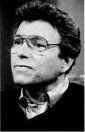 Irwin H. “Sonny” Bloch-1993-President-Bloch Broadcasting Co. In Memory |
| John Starr-1994-General Manager/Program Director-Gator Broadcasting Corp. |
| Liz Mattox-1994-General Sales Manager-Gator Broadcasting Corp. |
| Jerry Girard-1994-Music Director-Gator Broadcasting Corp. |
| Mike Jurian-1994-General Manager/General Sales Manager/Program Director-Gator Broadcasting Corp. |
| Tim McGuire-1994-Chief Engineer-Gator Broadcasting Corp. |
| Gordon Smith-1997-General Manager-Florida Sportstalk, Inc. |
| Brady Ackerman-2002-Morning co-host with Larry Vettel-Florida Sportstalk, Inc. |
| Augie Greiner-2004-Sales Director-Florida Sportstalk, Inc. |
| Jeff Francis-Chief Engineer-Florida Sportstalk, Inc./2004-Operations Director/Program Director/Chief Engineer-Florida Sportstalk,Inc. |
 Doug Gillen-2007-General Manager-Florida Sportstalk, Inc. In Memory |
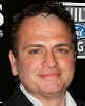 Jay Mariotti-2013-Genesis Communications I |
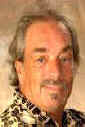 Chip Morris-2017-Spots Talk, LLC |
| Elliot Harris-General Manager-Gator Radio |
| Larry Vettel-Florida Sportstalk, Inc. |
| Keith Cline-Program Director-Florida Sportstalk, Inc. |
| Eve Ackerman |
| Wayne Smith |
 Sumner Wayne “Boomer” Hough-Music Director |
 Leslie Marlowe ( Terri Smith) |
| David Hand |
| Todd Lebaron |
| Dr. Tom Parker (Bill Tilghman) |
| Dave Matthews (David Hesselink)-Assistant Program Director/3PM-7PM. In Memory |
| Greg Richards |
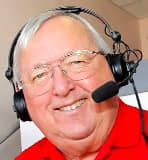 Gene Deckerhoff-Inducted into the Florida Sports Hall of Fame |
| Joe McKay (Joe Lavero)-Program Director |
| Tom Kaine |
| Mark Andrews |
| Mike Bonts |
| Tom Murphy |
| Jeri Banta |
| Gary Collins |
| J. D. on the Radio |
| Gordon P. Smith |
| Tommy Woods |
| Don Wright |
| Steve Cannon |
| David Reaves |
| Ray Sharkey-News Director |
| "Diamond Jim" Sibrey-Overnights |
| Ron Riley |
| Wayne Buttram |
| Rick Allen |
| Jason McCrea |
| Jim Kelly |
| Jay Stone |
| Phyllis Hartmann In Memory |
| Dolph Chamberlin-Station Manager |
| Greg Strickland-Chief Engineer (at age 16) |
|
|
|
|
 |
 |
 |
|
|
|
|
|
|
|
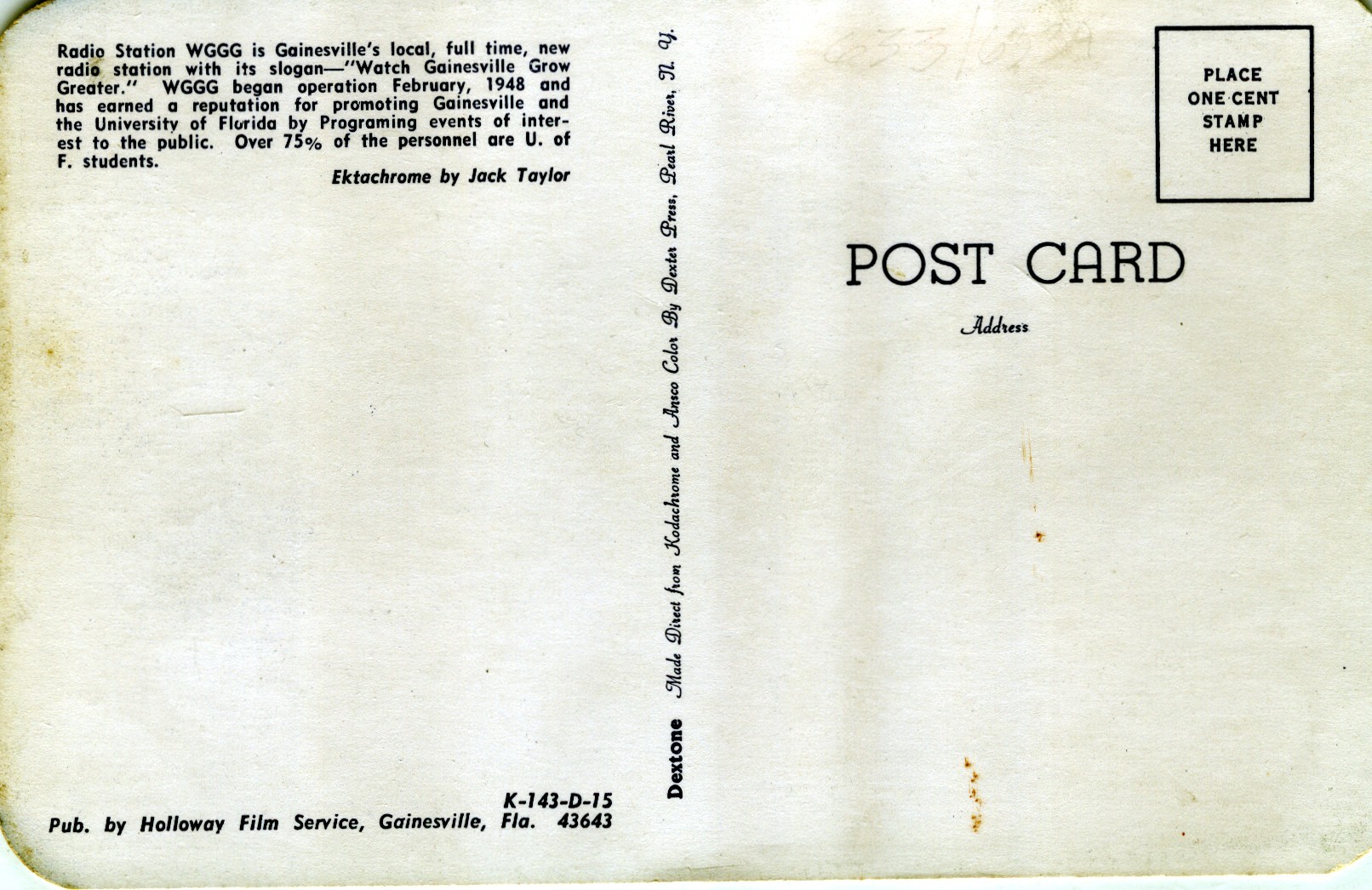
Thanks to Bill Watson for this pre 1951 Post Card of the WGGG studios click the photos for full sized view |